

Women’s Ways: Your Secret Superpower for Getting Things Done 🦋
Welcome back to our Women’s Ways Series! We’re celebrating the powerful, reliable methods women use every day to manage their lives and get results.
Men sometimes dismiss these methods as “wiles” or “tricks,” but we know better. For generations, these have been our essential ‘survival tools’—smart ways to navigate a world where power often isn’t on our side.
In this article, we focus on one of the greatest tools in your toolkit: cooperation.
Women are wired for collaboration. We excel at building alliances and prioritising the outcome over personal glory. This isn’t just a business skill; it’s the key to smoothly running a household, organising a social circle, and navigating intimate challenges. Whether you’re coordinating with a partner on household tasks, leading a community group, or simply trying to get your busy family to agree on a holiday plan, cooperation is your most reliable strategy.
Read on to see how this fundamental “Woman’s Way” delivers reliable, successful results—wherever you need them most.
Women’s Ways: No.2 Getting Things Done Together
Let’s face it: when women team up, things get done. It’s not just about being nice; it’s a highly effective way of working. In many situations, women cooperate much better and more reliably for collaboration than other styles that focus only on personal glory.
When women set out to achieve something, they naturally look for allies. They build a strong circle of support because they understand that success is a team sport. This is a contrast to the approach where some may “hunt credit for themselves,” prioritising individual applause. Instead, women work best in groups because they are hyper-focused on the outcome. The goal isn’t to be the most celebrated person in the room; the goal is to cross the finish line together successfully.
Real-World Power in Partnership
We see the incredible power of this cooperation everywhere, often starting at the grassroots level. Take the inspiring work of Wangari Maathai in Kenya. She won the Nobel Peace Prize by organising local women through the Green Belt Movement. These women weren’t politicians or executives—they were simply community members who started planting trees.
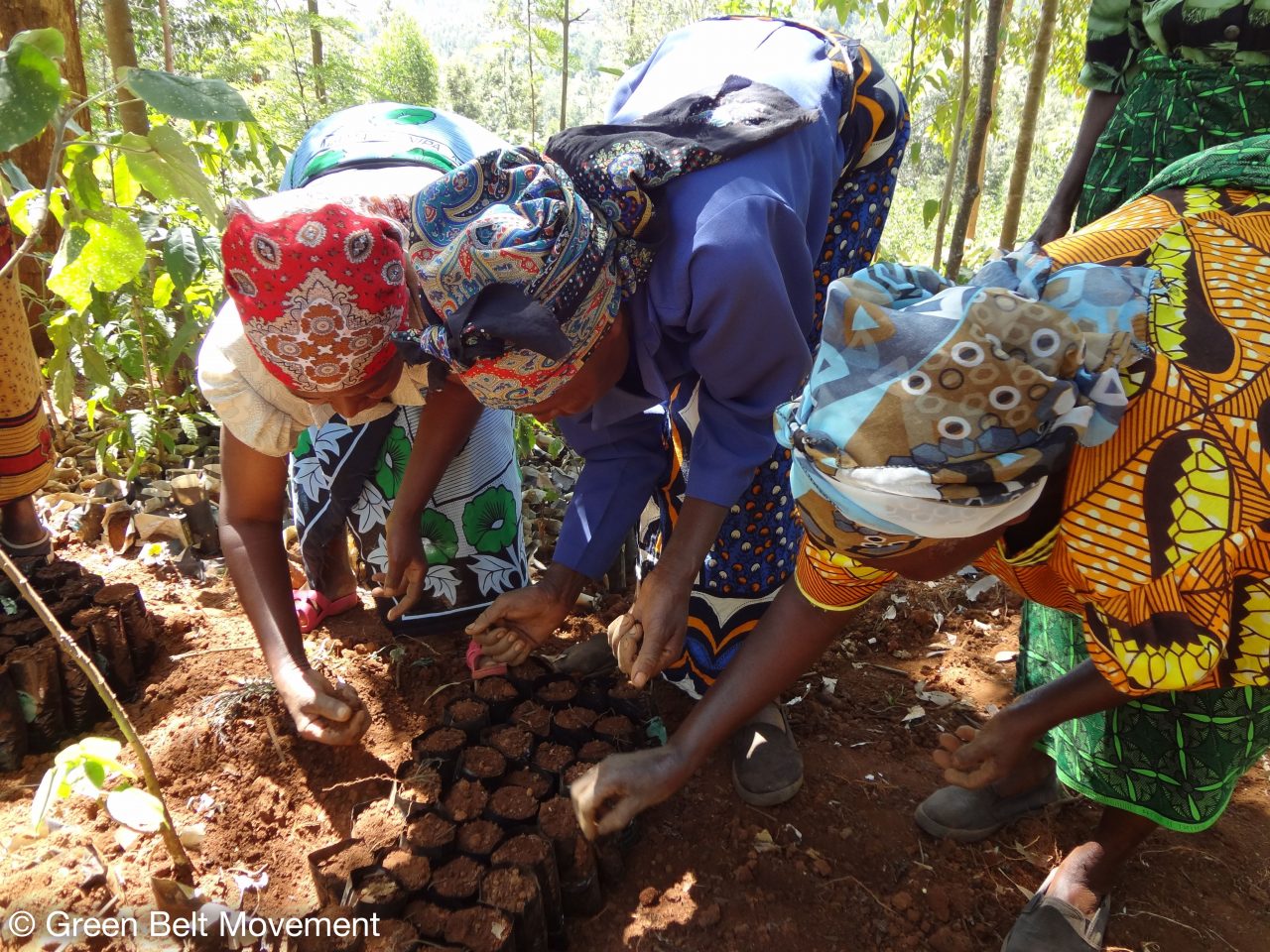
Maathai didn’t ask them to compete for the best tree; she rallied them to plant millions to stop deforestation and improve their lives. Her success was rooted in collective action and shared ownership. As she put it, “When we plant trees, we plant the seeds of peace and hope.”
Strategic Alliances in Leadership
In the realm of politics and social reform, women have consistently relied on strategic alliances to effect large-scale change. The most powerful UK example is Emmeline Pankhurst, the leader of the British Suffrage movement. Pankhurst did not work alone; she was the driving force who, alongside her daughters Christabel and Sylvia, and thousands of dedicated women in the Women’s Social and Political Union (WSPU), built a movement that demanded the right to vote.
 Their success was the product of relentless organising, lobbying, and the collective, uncompromising action of women working together towards a tangible, shared outcome. The WSPU’s motto was “Deeds not words,” embodying a focus on collective action and results. This history demonstrates that by prioritising alliance-building and the ultimate objective—the desired outcome—women can harness collective energy to solve problems and drive progress with remarkable efficacy. The cumulative evidence points to cooperation not just as a preference, but as a highly effective strategy for enduring, positive results.
Watch out for Women’s Ways No.3 – Subtlety and Delicacy
Love Jean Macdonald
Other articles you might be interested in

Eat Less Crap

How do you feel about You?
