

Unlocking True Wellness
When you have a toothache, your attention is almost completely taken up by the pain, making it difficult to focus on anything else. Unlocking True Wellness means going beyond pain relief and striving for optimal health. How well can you get? At that moment, perfect health simply means not having that toothache.
But what about the day-to-day discomforts we barely consider illnesses—like back pain, headaches, blocked sinuses, and sore feet? These issues are so common that we often accept them as normal. In doing so, we forget about true wellness.
The Power of Wellness
Achieving wellness is not just about feeling good—it can also slow down the aging process significantly! When the body functions at its best, energy levels remain high, immune function improves, and we feel mentally sharper. Small aches and pains that seem insignificant can be early warning signs of deeper imbalances. Addressing them now can prevent chronic issues later in life.
Back to Basic Principles
Think of a high-performance race car. Owners ensure that the fuel, tires, lubricants, and maintenance are top-notch because small improvements can mean the difference between winning and losing.
We are all born with high-performance bodies—but do we treat them that way? Are we fueling ourselves with the best nutrition, or just eating what’s convenient? Do we clean and maintain our bodies to keep them running smoothly? Do we listen to their changing needs and give them what they require?
By making gradual improvements, you can transform your body from an underperforming jalopy into a high-performance machine.
Fueling Your Body for Maximum Health
Proper nutrition plays a crucial role in achieving optimal health. The body thrives on whole, unprocessed foods that provide essential nutrients. Processed foods, excessive sugar, and unhealthy fats contribute to inflammation, low energy, and disease. A diet rich in fruits, vegetables, lean proteins, and healthy fats can make a noticeable difference in how you feel every day.
Hydration is just as important. The human body is made up of approximately 60% water, and even mild dehydration can lead to fatigue, headaches, and poor digestion. Drinking enough water supports circulation, detoxification, and cellular function.
Movement and Physical Wellness
Exercise is another key component of wellness. Regular physical activity strengthens the heart, improves circulation, enhances lung capacity, and maintains muscle mass. It also boosts mood and cognitive function by releasing endorphins, the body’s natural feel-good chemicals.
Even if you’re not a fan of structured workouts, movement throughout the day is essential. Walking, stretching, yoga, and strength training all contribute to long-term health. The goal is consistency—finding an activity you enjoy and making it a regular part of your routine.
The Role of Rest and Recovery
Rest and recovery are often overlooked but are just as critical as diet and exercise. Sleep is when the body repairs itself, regulates hormones, and consolidates memories. Poor sleep can lead to weight gain, weakened immunity, and increased stress levels. Prioritizing quality sleep—by creating a bedtime routine, limiting screen time before bed, and ensuring a comfortable sleep environment—can improve overall well-being.
Beyond sleep, relaxation techniques such as meditation, deep breathing, and spending time in nature help manage stress. Chronic stress contributes to inflammation and many health issues, so taking time to unwind is essential for both physical and mental health.
What About Illness and Aging?
You may be wondering—what about long-term illnesses and the natural aging process?
There are serious, chronic illnesses that can affect a person’s life. However, unless you are diagnosed with a chronic condition before age 21, most health problems that arise later are self-inflicted!
This idea may seem controversial, but with an open mind, you might come to agree. The good news? Even if we have developed illnesses due to innocence, ignorance, or neglect, many of them can be reversed once we truly understand how the body works.
Aging is inevitable, but how we age is largely within our control. Cellular aging is influenced by lifestyle choices, including diet, exercise, stress management, and toxin exposure. By making healthy choices consistently, we can maintain vitality well into old age.
Taking Responsibility for Your Health
The key to achieving and maintaining wellness is taking responsibility for your own health. Instead of waiting for symptoms to appear, be proactive in caring for your body. Small daily habits—such as choosing whole foods, staying active, getting enough rest, and managing stress—have a cumulative effect over time.
Through these posts and insights from our experts, I hope you’ll gain a deeper understanding of your body’s potential and feel empowered to take charge of your health journey.
Other articles you might be interested in
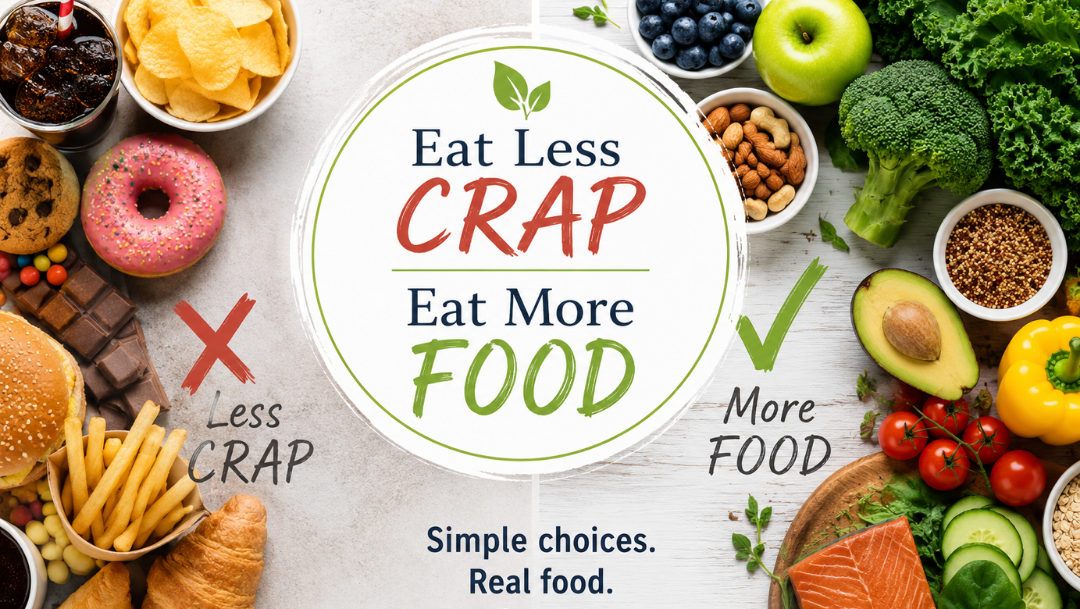
Eat Less Crap

How do you feel about You?

This Post Has 0 Comments