

Saying No to your Children
Parents often find it hard to say “No” to their kids—and there are many reasons for this.
Sometimes it’s simply a matter of time. We’re all so busy these days, juggling work, errands, and home responsibilities. It’s much easier to give in and buy whatever it is your child wants rather than to take the time to explain why they can’t have it. Add to that the emotional energy needed to handle a sulky or disappointed child, and it’s no wonder many parents opt for the quicker route.
But is that the message you want your child to grow up expecting? That if they push hard enough, they’ll always get what they want?
The Fear of Causing a Scene
Another common reason parents give in is the fear of public embarrassment. Let’s face it—no one wants to be the parent dragging a red-faced, screaming child through the supermarket while trying to pick up dinner. It’s much more peaceful to hand them a bag of sweets or a toy to keep them quiet.
But in doing so, we may be teaching them that making a fuss gets results. Children are quick learners, and if a tantrum once got them a reward, they’re likely to try it again.
We Can Afford It… But Should We?
A third reason is financial. With more disposable income and easier access to goods, parents may feel it’s harmless to say yes. “It’s only 80p,” you might think. “Why not?” Today’s parents often want to give their children more than they had growing up. And that’s understandable.
But constantly saying yes—even to small things—can create an expectation of entitlement. Children begin to believe they should get what they want, when they want it, without understanding value or limits.
A Loving “No” Is Still Love
Saying no doesn’t make you a bad parent. In fact, it helps your child learn boundaries, patience, and appreciation. It teaches them that love includes guidance, not just giving.
Saying no, when done calmly and with kindness, can be one of the best things you do for them.
Love,
Jean
Other articles you might be interested in
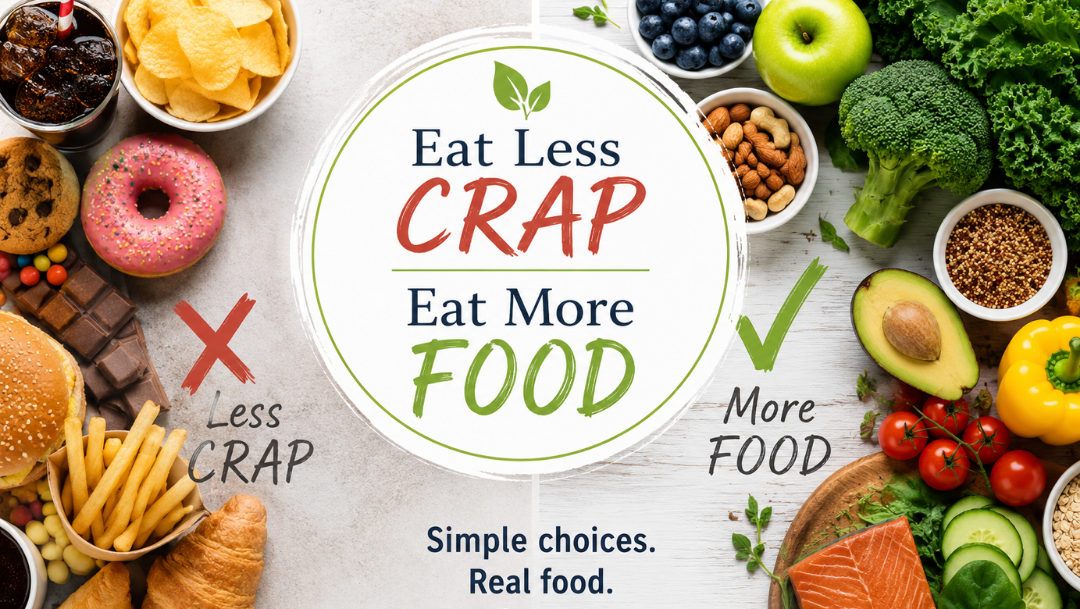
Eat Less Crap

How do you feel about You?

This Post Has 0 Comments